
How do I choose between a hybrid and a traditional SUV in 2026 models?
Your Complete 2026 Model Guide to Making the Right Decision
Choosing your next SUV in 2026 presents an exciting yet challenging decision. With automotive technology advancing rapidly, the 2026 hybrid SUV models vs traditional gas SUVs comparison has become more complex than ever. This comprehensive guide will help you navigate the key differences and make an informed decision that aligns with your lifestyle, budget, and environmental priorities.
The automotive industry has reached a pivotal moment in 2026. Traditional gas-powered SUVs continue to dominate the market, while hybrid technology has matured significantly, offering compelling alternatives that were once considered niche options. Modern hybrid SUVs now deliver performance that rivals their traditional counterparts while providing substantial fuel savings and reduced environmental impact.
Key Decision Point
The choice between hybrid and traditional SUVs isn’t always straightforward. Each option brings distinct advantages and potential drawbacks that depend on your specific driving habits, budget constraints, and long-term ownership plans.
We’ll walk you through everything you need to know about comparing 2026 hybrid and traditional SUV options. From fuel efficiency and performance to financial considerations and environmental impact, this guide covers all the essential factors to help you make an informed decision.
Fuel Efficiency and Operating Costs
One of the most significant factors in the 2026 hybrid SUV models vs traditional gas SUVs comparison is fuel efficiency and long-term operating costs. Understanding how each option affects your wallet over time helps you make a financially sound decision.
Hybrid SUVs typically deliver 25-40% better fuel economy compared to their traditional counterparts. This improvement translates directly into savings at the pump and reduced dependence on fluctuating gas prices. For drivers who commute daily or frequently travel in stop-and-go traffic, these savings compound significantly over time.
Hybrid SUV Advantages
- Significantly better fuel economy (25-40% improvement)
- Lower operating costs over time
- Reduced dependence on gas price fluctuations
- Potential tax incentives and rebates
Traditional SUV Advantages
- Lower upfront purchase price
- Simpler maintenance requirements
- More established service network
- No battery replacement concerns
Traditional SUVs maintain advantages in upfront costs and maintenance simplicity. With a more established service network and predictable repair procedures, traditional SUVs often appeal to drivers who prefer straightforward ownership experiences without the complexity of hybrid systems.
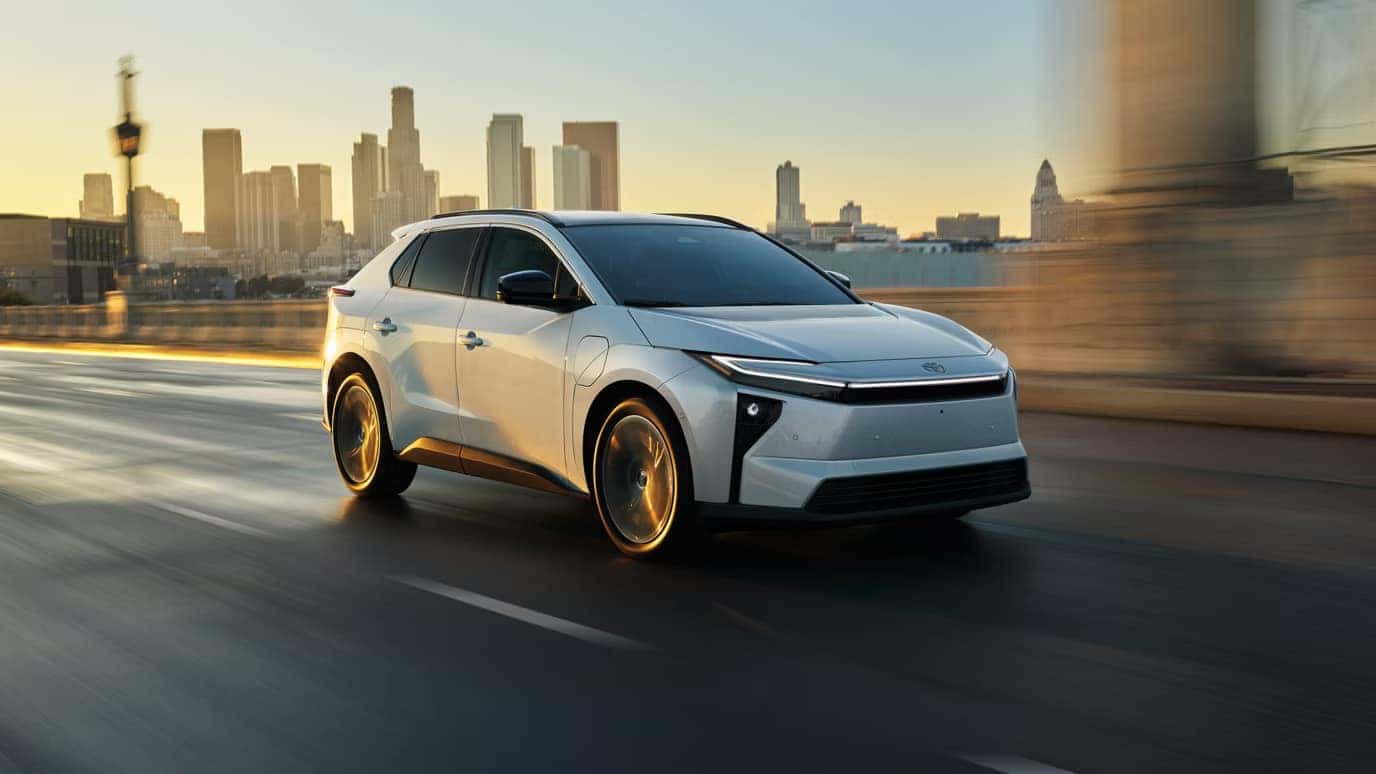
Modern hybrid SUVs deliver impressive performance while providing substantial fuel savings
Performance and Driving Experience
The performance gap between hybrid and traditional SUVs has narrowed considerably in 2026 models. Many hybrid systems now provide instant torque delivery, resulting in impressive acceleration that often surpasses traditional engines. This advancement has eliminated the compromise that early hybrid adopters once faced.
Electric motors in hybrid systems deliver their maximum torque immediately from a standstill. This characteristic provides responsive acceleration that many drivers find more satisfying than traditional powertrains. Combined with smoother power delivery and quieter operation at low speeds, hybrid SUVs offer a refined driving experience.
Instant Torque Delivery
Electric motors provide immediate power response for confident acceleration
Smoother Acceleration
Seamless power delivery creates a more refined driving experience
Advanced AWD Systems
Electric-assisted all-wheel drive provides enhanced traction and control
Traditional SUV Performance Benefits
Traditional SUVs offer proven powertrain reliability with consistent performance regardless of weather conditions. For drivers who primarily travel highway miles or require maximum towing capacity, traditional powertrains continue to excel. The familiar driving characteristics also appeal to those who prefer established technology.
Many traditional SUVs also provide consistent performance in extreme temperatures where hybrid battery efficiency can be affected. For drivers in very hot or cold climates, this reliability consideration may influence their decision.
Financial Considerations: Initial Cost vs. Long-Term Savings
When examining the 2026 hybrid SUV models vs traditional gas SUVs comparison, the initial purchase price difference typically ranges from $2,000 to $8,000, with hybrids commanding the premium. However, this gap has narrowed significantly as hybrid technology becomes more mainstream and production scales increase.
Understanding the total cost of ownership requires looking beyond the sticker price. Fuel savings, tax incentives, and resale value all play crucial roles in determining which option provides better long-term value for your specific situation.
| Financial Factor | Hybrid SUV | Traditional SUV |
|---|---|---|
| Initial Price Premium | $2,000 – $8,000 higher | Lower base price |
| Annual Fuel Savings | $800 – $1,500 | Baseline comparison |
| Federal Tax Credits | Up to $7,500 potential | Not applicable |
| Resale Value | Higher retention | Standard depreciation |
| Maintenance Costs | Lower frequency, higher complexity | Standard intervals, simpler repairs |
Breaking Even on the Hybrid Premium
For most drivers, the hybrid premium is recovered within 3-5 years through fuel savings alone. When combined with available tax credits and higher resale values, many hybrid owners see a net financial benefit over the ownership period. However, drivers who keep vehicles for shorter periods or drive primarily highway miles may not fully realize these savings.
State and local incentives vary significantly and can further improve the financial case for hybrid SUVs. Some areas offer additional tax credits, reduced registration fees, or access to HOV lanes that add both monetary and convenience value.
Environmental Impact and Sustainability
Environmental consciousness plays an increasingly important role in vehicle selection. The 2026 hybrid SUV models offer substantial environmental benefits without requiring the charging infrastructure concerns associated with fully electric vehicles. This makes them an accessible option for environmentally-minded drivers.
Hybrid SUVs typically reduce CO2 emissions by 25-35% compared to their traditional counterparts. This reduction comes from improved fuel efficiency, regenerative braking systems, engine optimization technology, and reduced idle time in stop-and-go traffic.
25-35% Lower Emissions
Significant reduction in CO2 output compared to traditional gas engines
Regenerative Braking
Captures energy during deceleration to improve overall efficiency
Reduced Idle Impact
Electric operation in traffic minimizes emissions during stop-and-go driving
For drivers who want to reduce their environmental footprint without transitioning to a fully electric vehicle, hybrid SUVs represent a practical middle ground. They deliver meaningful emissions reductions while maintaining the convenience and flexibility of traditional refueling.

Advanced technology features are available across both hybrid and traditional SUV options
Making Your Final Decision
The decision between hybrid and traditional SUVs ultimately depends on your specific circumstances, priorities, and driving patterns. Both options offer compelling benefits in different areas, and the right choice varies for each driver.
Choose a Hybrid SUV If You:
- Drive frequently in stop-and-go traffic
- Prioritize fuel efficiency and environmental impact
- Plan to keep the vehicle for many years
- Value the latest automotive technology
- Have access to hybrid-certified service centers
Choose a Traditional SUV If You:
- Prioritize lower upfront costs
- Require maximum towing capacity
- Prefer simpler, proven technology
- Live in areas with limited hybrid service
- Drive primarily highway miles
Top 2026 Hybrid SUV Recommendations
Leading hybrid SUV options for 2026 include the Toyota Highlander Hybrid for proven reliability and efficiency, the Honda Pilot Hybrid as a spacious family-friendly option, the Ford Explorer Hybrid for performance-oriented drivers, and the Lexus GX Hybrid combining luxury with capability.
Top 2026 Traditional SUV Options
For traditional SUV buyers, the Chevrolet Tahoe offers maximum space and towing capacity, the Ford Expedition provides advanced technology and comfort, the Toyota Sequoia delivers reliability and strong resale value, and the Jeep Grand Cherokee excels in off-road capability.
Ready to Find Your Perfect SUV?
The 2026 hybrid SUV models vs traditional gas SUVs comparison reveals that both options offer compelling benefits depending on your specific needs and priorities. Hybrid SUVs excel in fuel efficiency, environmental impact, and often provide a more refined driving experience. Traditional SUVs maintain advantages in upfront cost, simplicity, and maximum capability.
Consider your driving patterns, environmental priorities, budget constraints, and long-term ownership plans when making your decision. Test drive both options extensively, calculate the total cost of ownership for your specific situation, and choose the SUV that best aligns with your lifestyle and values.
Our knowledgeable team is here to help you explore both hybrid and traditional SUV options. Whether you’re leaning toward fuel efficiency or maximum capability, we’ll help you find the perfect vehicle for your needs. Contact us today to schedule a test drive and experience these impressive vehicles firsthand.
Frequently Asked Questions
What is the main difference between hybrid and traditional SUVs?
Hybrid SUVs combine a gasoline engine with electric motors and a battery system to improve fuel efficiency by 25-40%. Traditional SUVs rely solely on gasoline engines, offering simpler mechanics and lower upfront costs but higher fuel consumption over time.
How much can I save on fuel with a hybrid SUV?
Most hybrid SUV owners save between $800 and $1,500 annually on fuel costs compared to traditional gas SUVs. The exact savings depend on your driving habits, local gas prices, and how much stop-and-go driving you do, where hybrids excel most.
Are hybrid SUVs more expensive to maintain?
Hybrid SUVs often have longer intervals between maintenance services and experience less brake wear due to regenerative braking. However, when repairs are needed, they can be more complex and expensive. Overall maintenance costs are typically comparable over the vehicle’s lifetime.
Do hybrid SUVs have less cargo space than traditional SUVs?
Modern 2026 hybrid SUVs have largely eliminated cargo space penalties that plagued earlier models. Innovative battery placement designs allow most hybrid SUVs to offer comparable cargo capacity to their traditional counterparts while maintaining flexible seating configurations.
Can hybrid SUVs tow as much as traditional SUVs?
While hybrid SUVs have improved towing capabilities significantly, traditional SUVs generally maintain higher maximum towing capacities. If towing heavy trailers is a priority, carefully compare the towing ratings of specific models to ensure they meet your requirements.
How long do hybrid SUV batteries last?
Modern hybrid SUV batteries typically last 8-10 years or 150,000+ miles. Most manufacturers offer extended warranties on hybrid components, and battery technology has improved significantly, making premature failure rare in current models.
0 comment(s) so far on How do I choose between a hybrid and a traditional SUV in 2026 models?